
Notes on the D.C. Zoo

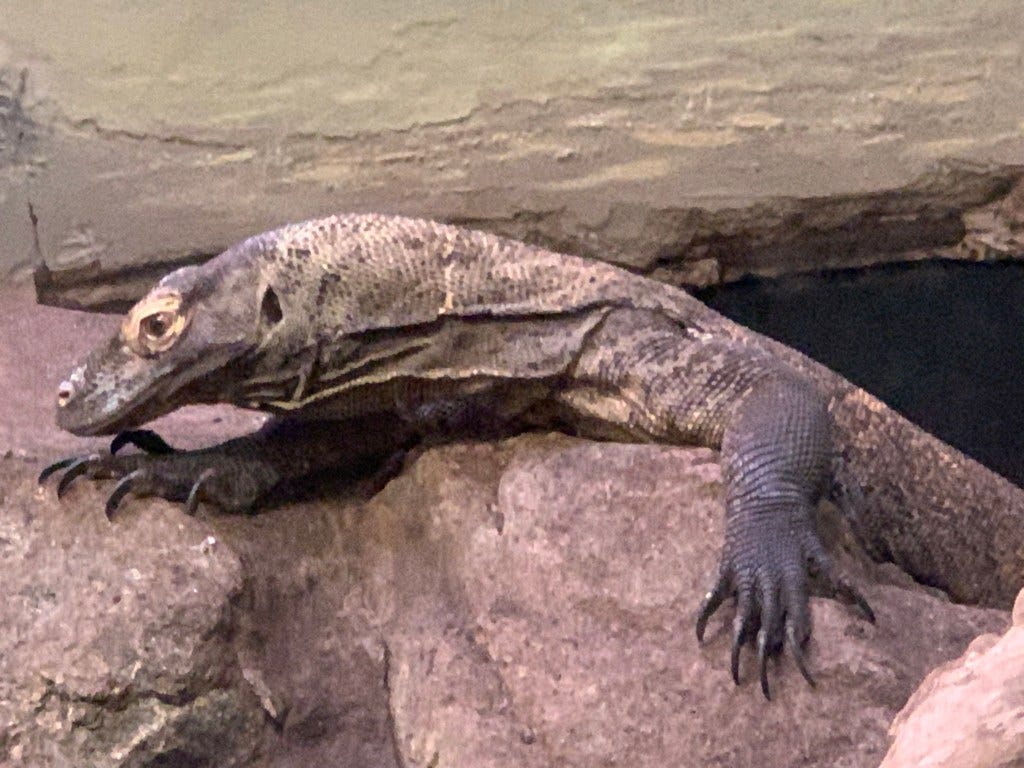
On a day trip from a first-ever Eddy family reunion in Cherry Hill Park campground in College Park, Maryland, I trekked with a bunch of related people to the Smithsonian National Zoo on a drizzly Sunday, July 16 in 2022. Below are scattered findings, accompanied by photographs.
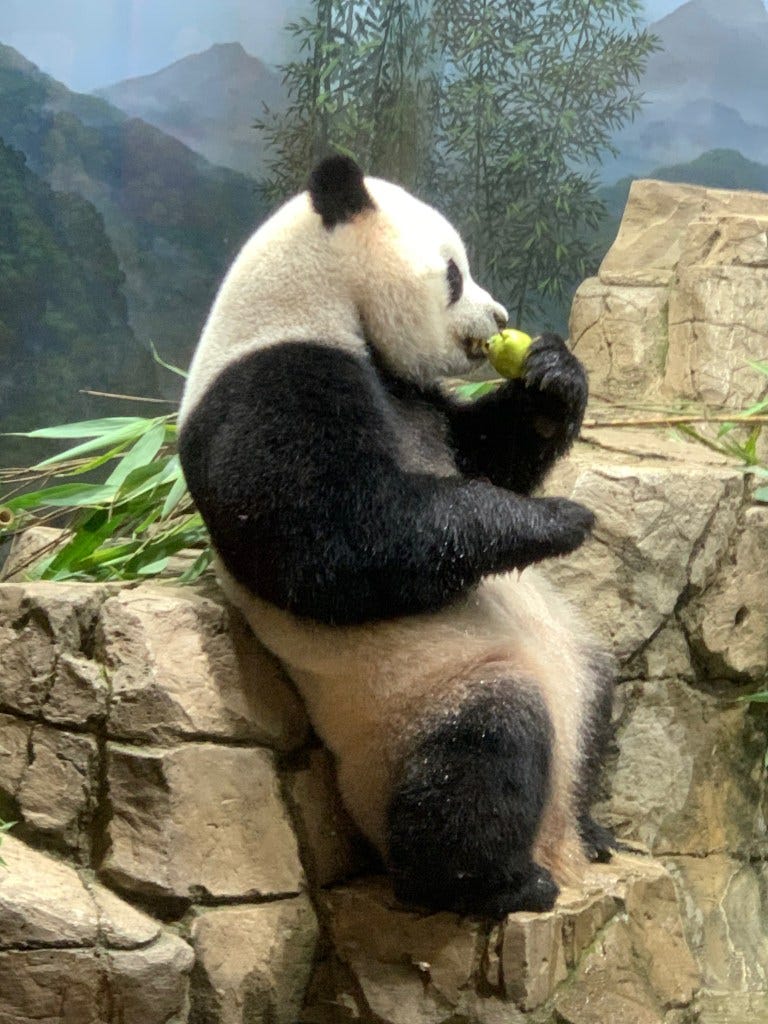
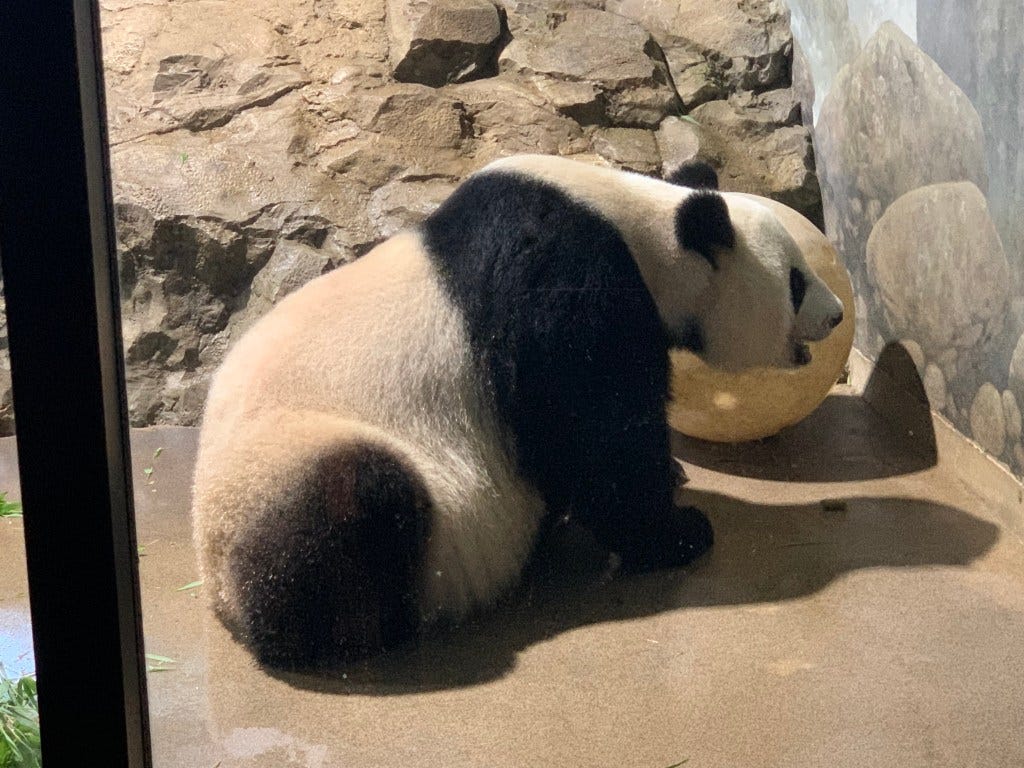
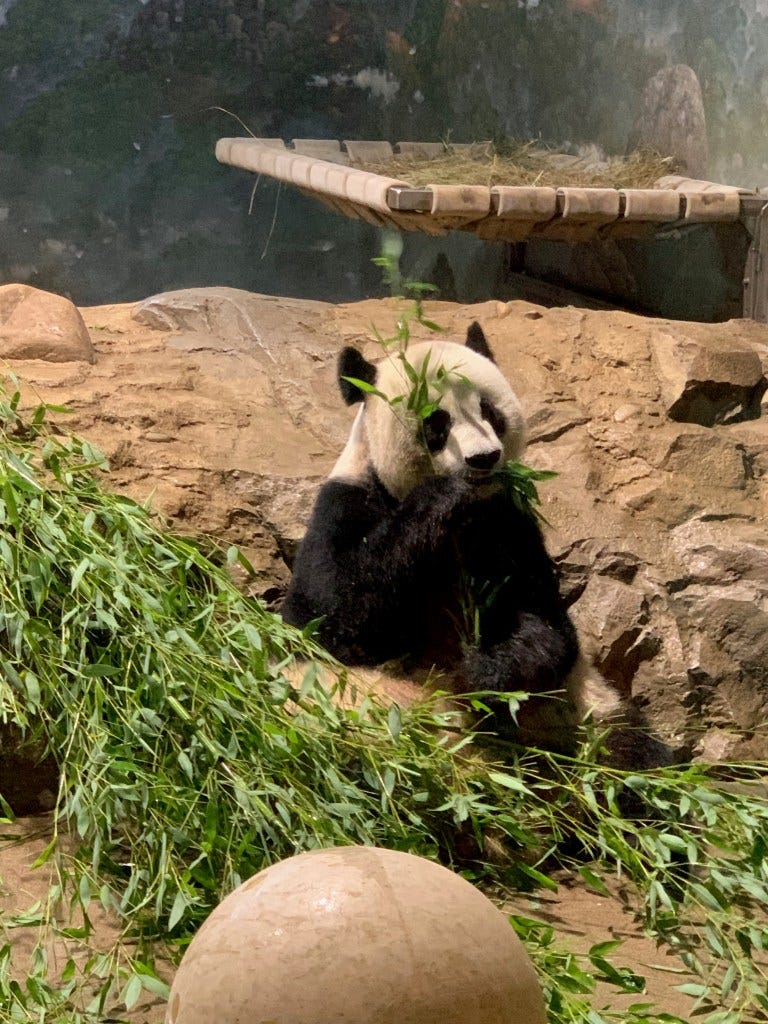
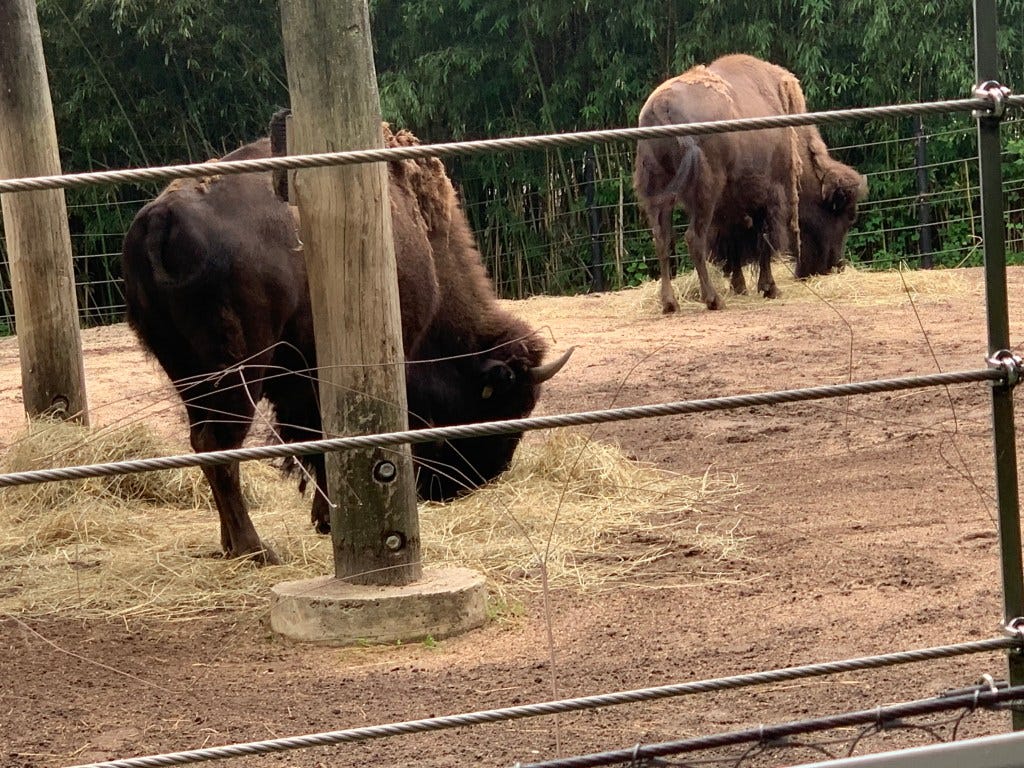
Clearly, the zoo’s most expense and attention understandably goes into its long-legendary giant panda displays, made world-famous by Chinese gifts Ling-Ling and Hsing-Hsing way back in the Nixon era. Runner-up, expense and attention-wise: Probably the Asian elephants. The American bison display seemed very cut-rate in that only a meager cramped area was visible.Perhaps my eyes were mistaken.
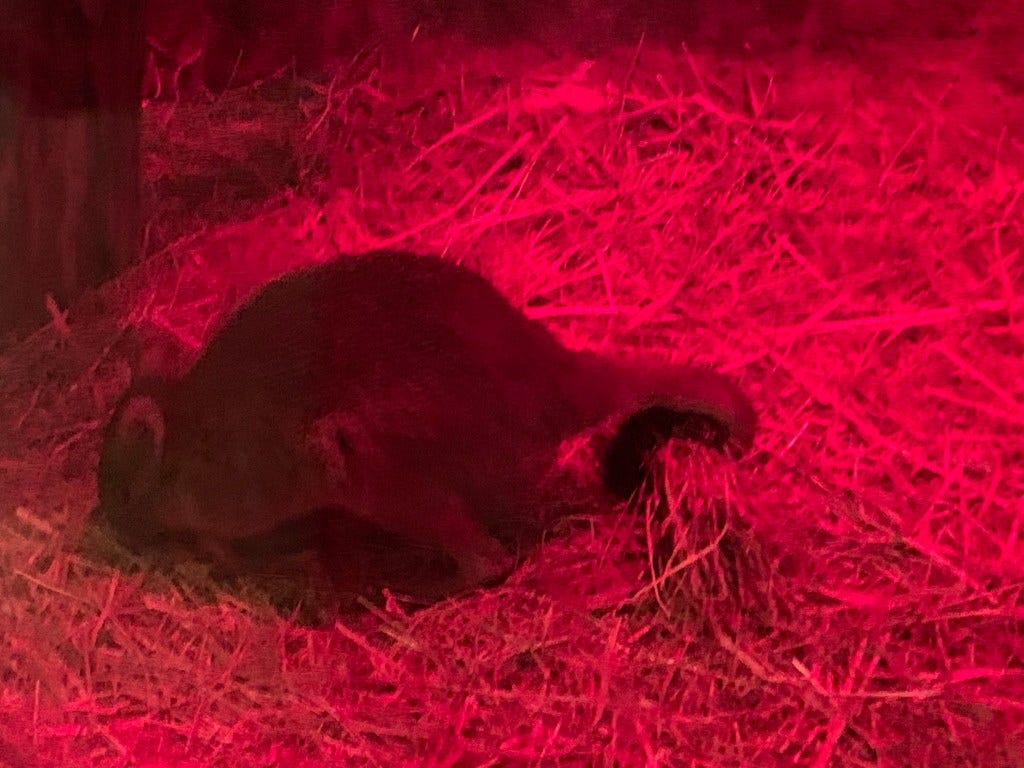
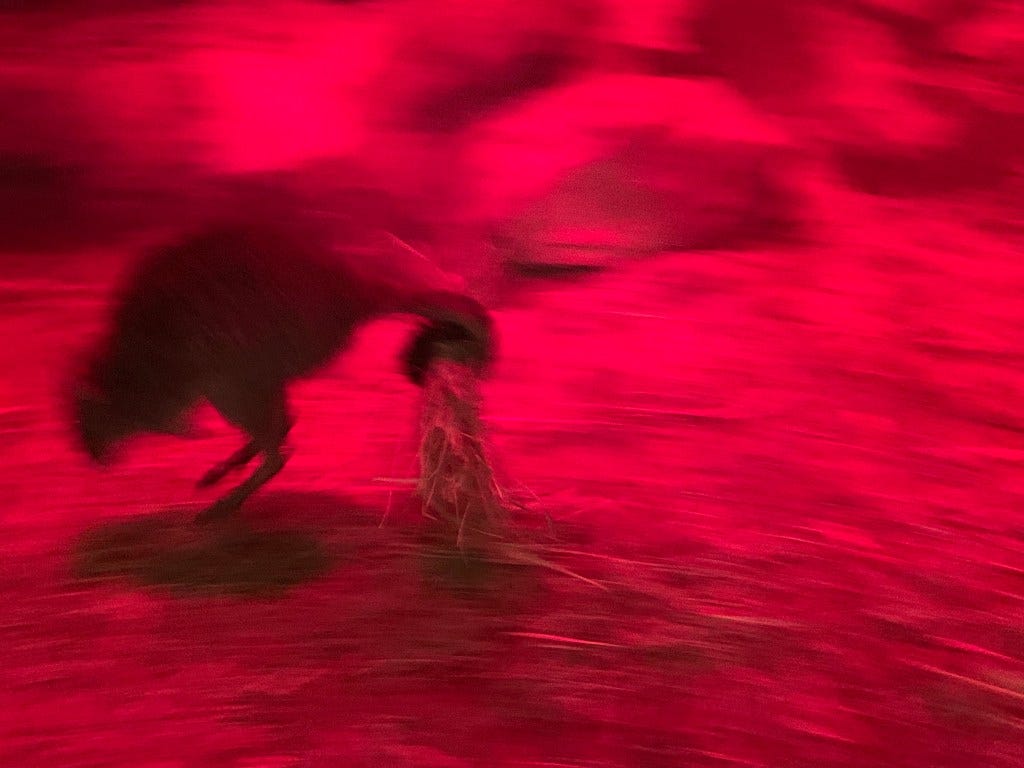
Highlight of the entire place was the small mammal house, where the most active small mammals were the tamarin monkeys — either golden lion tamarins or fu manchu-mustachioed emperor tamarins, whichever ones were zooming all over the place — and a marsupial called the brush-tailed bettong (in the same family as potoroos and rat kangaroos, which are apparently smaller than wallabies, which are apparently smaller than wallaroos, which are apparently smaller than kangaroos proper.) The bettong eagerly demonstrated its expertise in carrying a bundle of straw in its wound-up tail while hopping back and forth from the front to the back of its cage, under red lights no less.
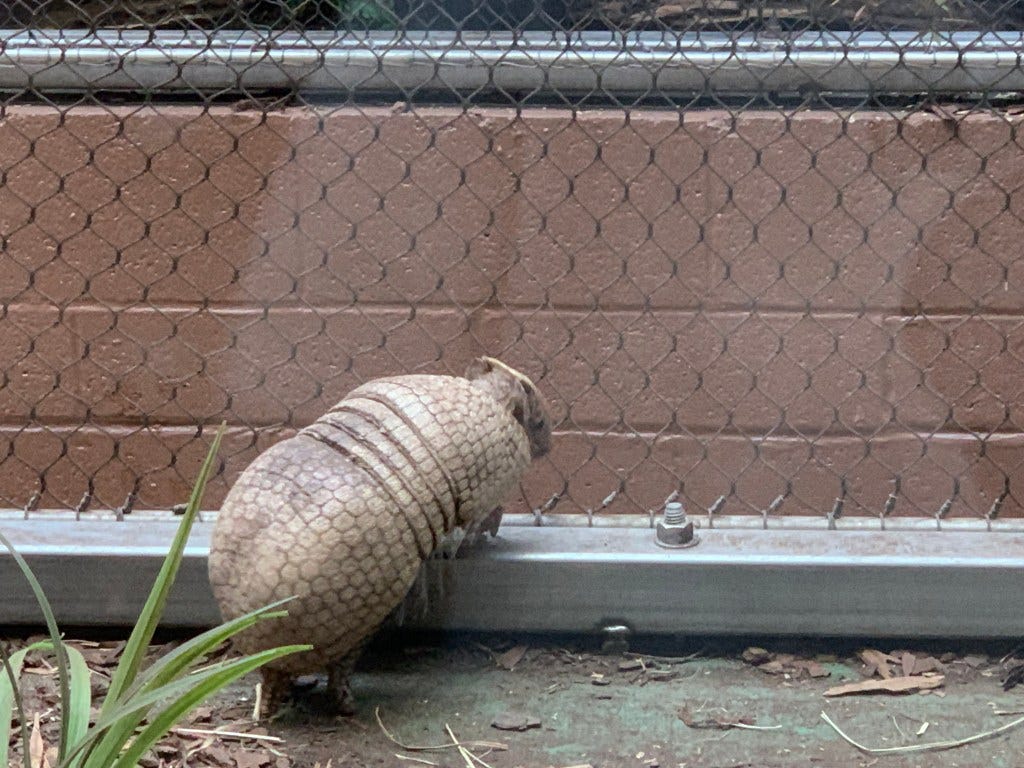
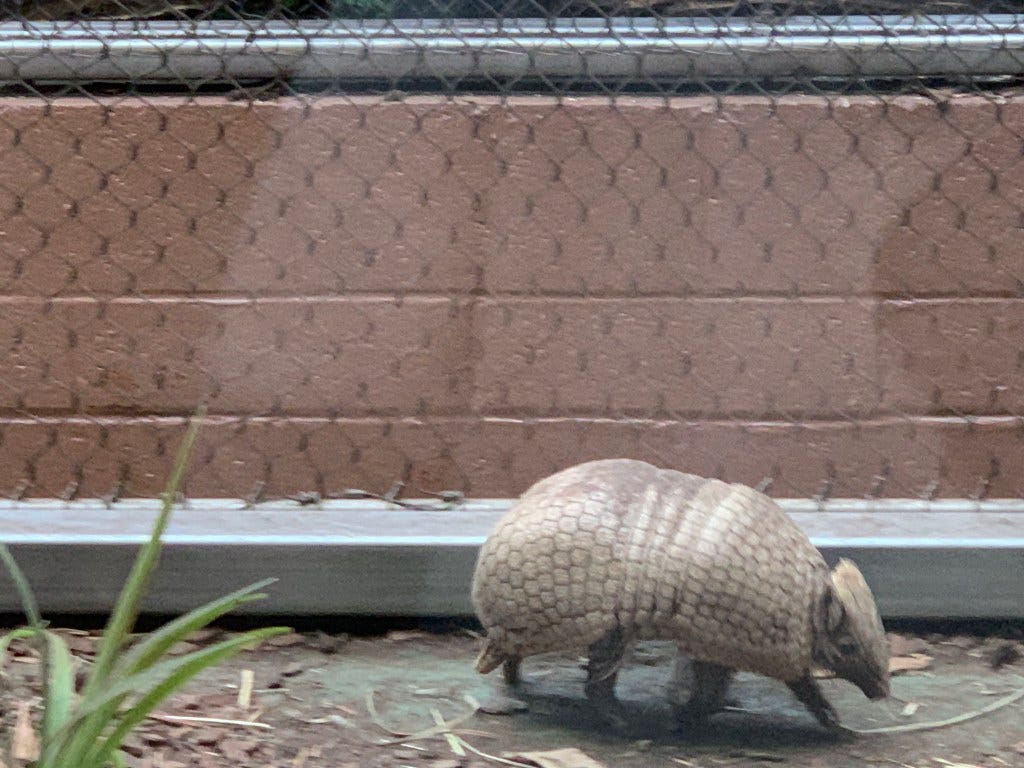
And now some more small mammal highlights, mostly animals I’d never actually met in person before! First, the la plata three-banded armadillo from South America, smaller and with a much more dainty way of walking than the ‘dillos jerks run over here in Austin. (There was also, in theory at least, a screaming hairy armadillo, but not only did we not hear it scream, neither its hair nor armor could be detected.)
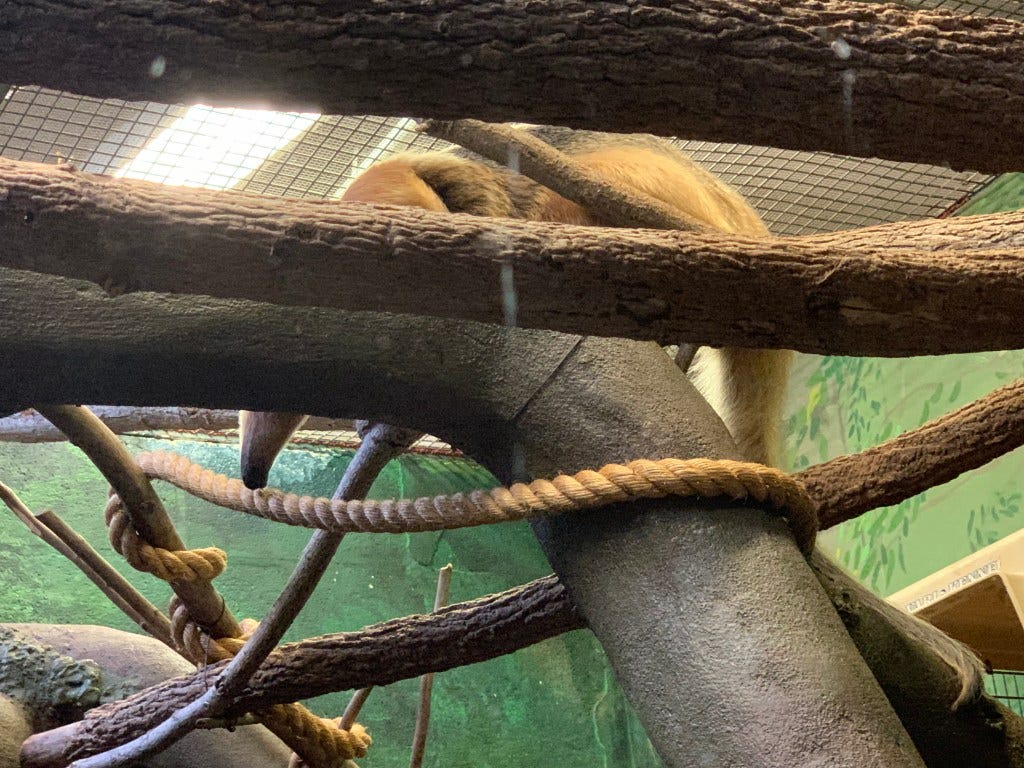
Another South American edentate — The tamandua, or tree anteater, which was hard to capture behind its tree, but I did my best.
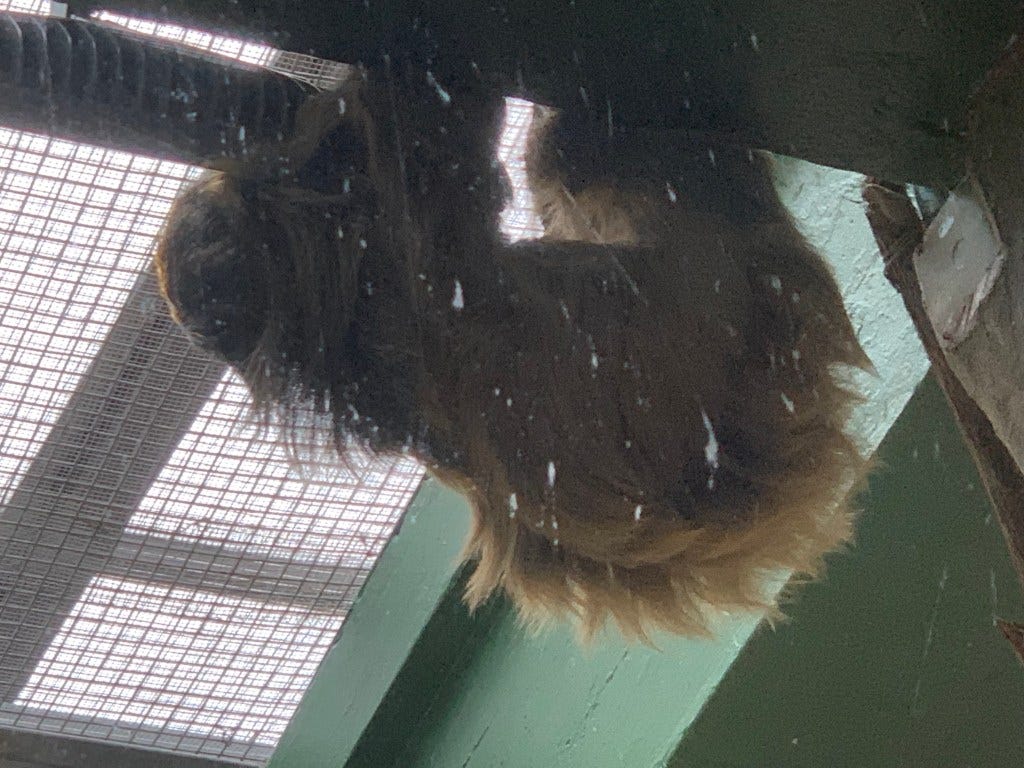
Oops, I forgot Edentata is now called Xenartha — at least they’re not derisively dismissed as “Brutes,” like they were back in the ugly 19th Century. (How do I know this? I’m not sure. Most likely I learned the term from an antique doorstopper of a dictionary that was in my house when I was growing up. Wood’s Natural History: Mammalia from 1878 groups them into Dasypidæ — “This small but important family includes the Manis, the Armadillo, the Ant-eater, and the Platypus.” But I can’t confirm “brutes,” even on the Internet.) Anyway, here’s yet another xenarth-or-whatever from South America — the two-toed sloth. (When we first moved to Austin, a sloth named Sophia lived five minutes from our house, in an exotic pet store. I forget how many toes she had. One time I saw her, she was eating grapes, not sleeping!)
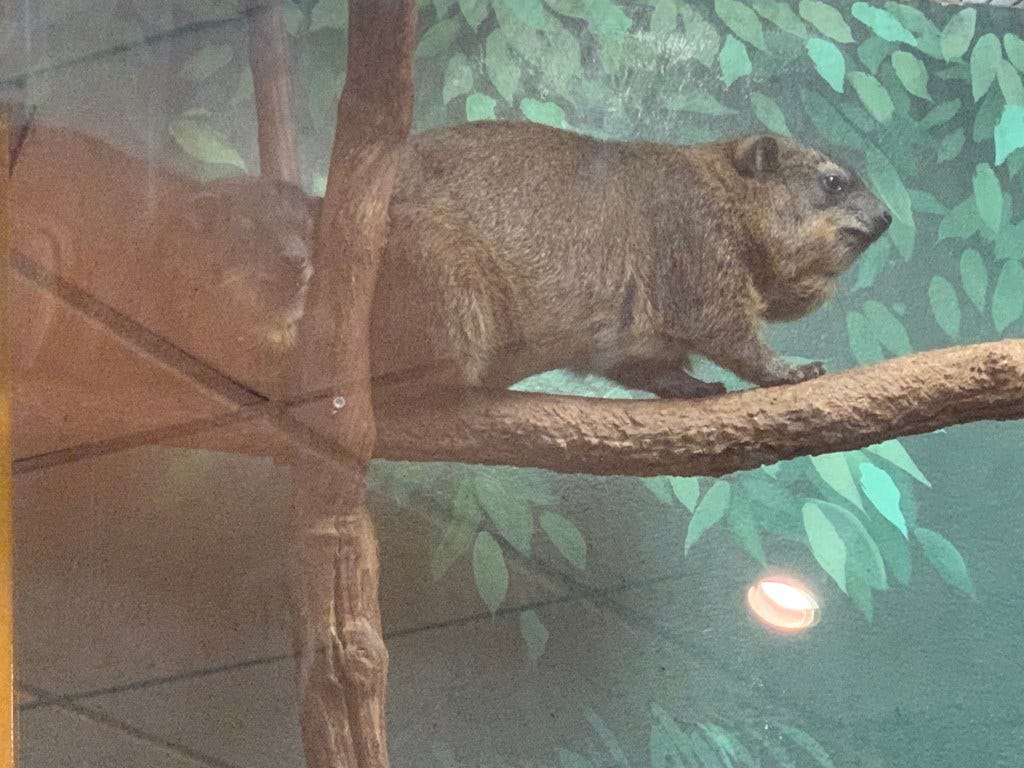
From Africa and the Middle East, here’s a rock hyrax — no, wait, two hyraxes — which may look like chunky rodents, but which taxonomists file in the clade Afrotheria, with elephants, elephant shrews, aardvarks, sea cows, golden moles, and tenrecs. Swear I’m not making this up!
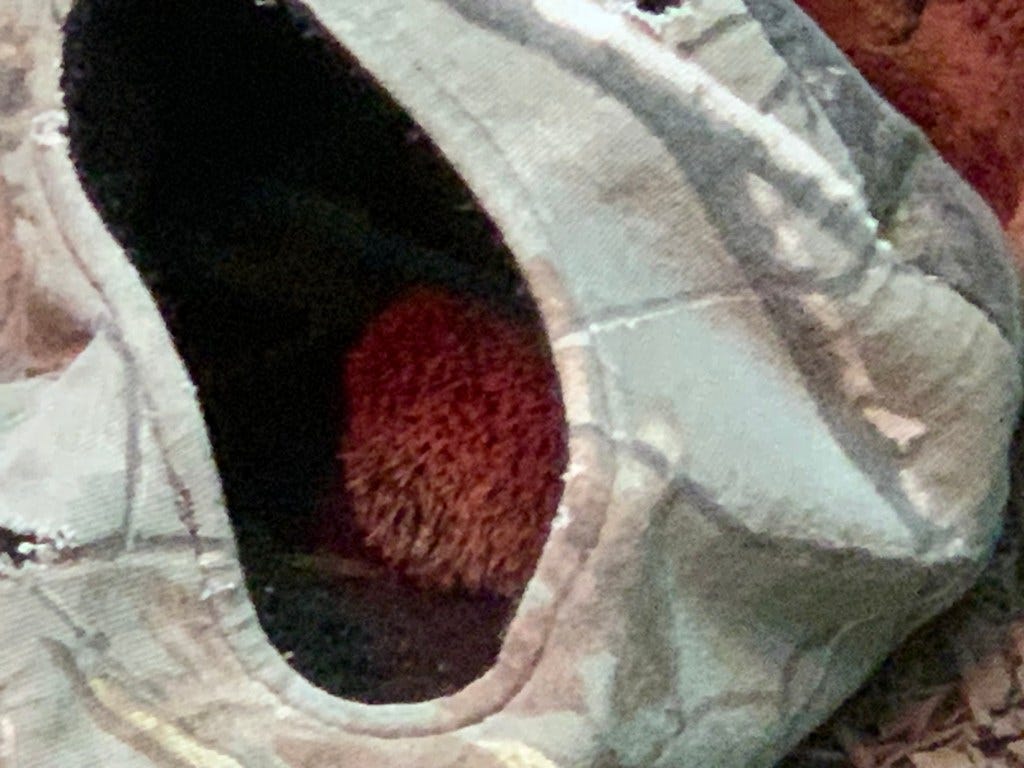
And now another Afrothere — the lesser Madagascar hedgehog tenrec (not to be confused with greater Madagascar hedgehog tenrec, which the zoo lacks at the moment.) When I was a kid, tenrecs were classified as “insectivores,” like moles, shrews and the hedgehogs they superficially resemble. Not any more! Taxonomy-wise, DNA-dependent phylogeny changed everything. This guy looks quite cozy:
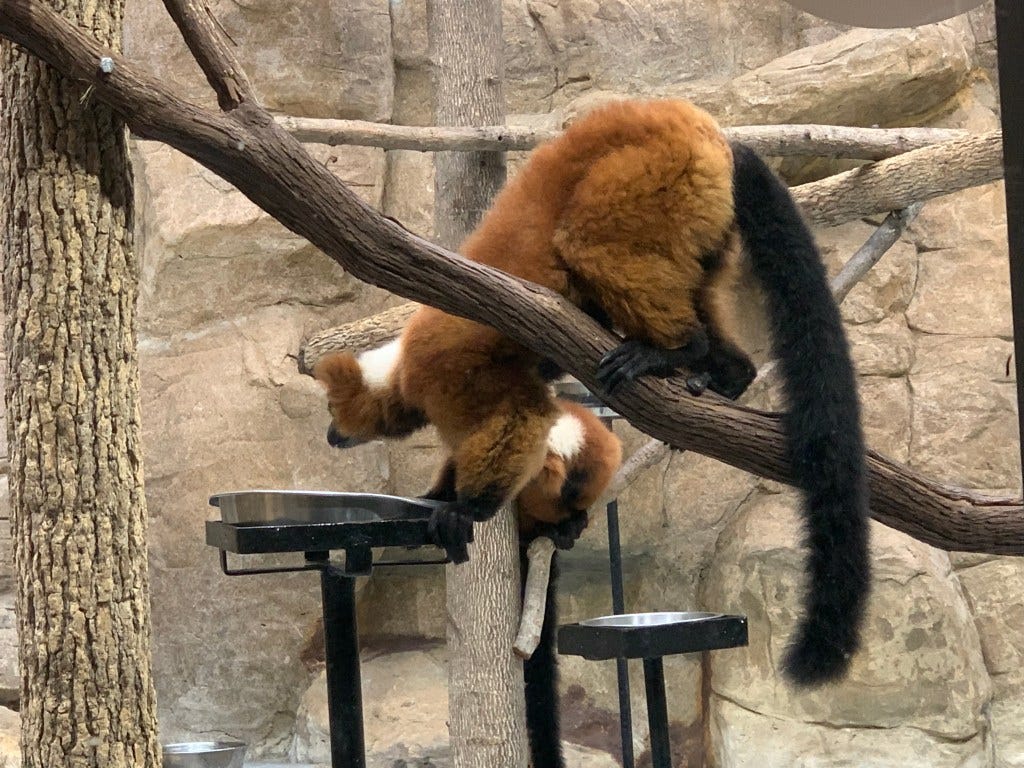
Also from Madagascar, but considered primates just like people and monkeys and apes, are lemurs. There are about 100 different species, and so I confess I’ve always considered them kind of a dime a dozen (wishing zoos would show me, say, tarsiers instead), but I had clearly never seen a red ruffed lemur before. This fellow’s fur is gorgeous.
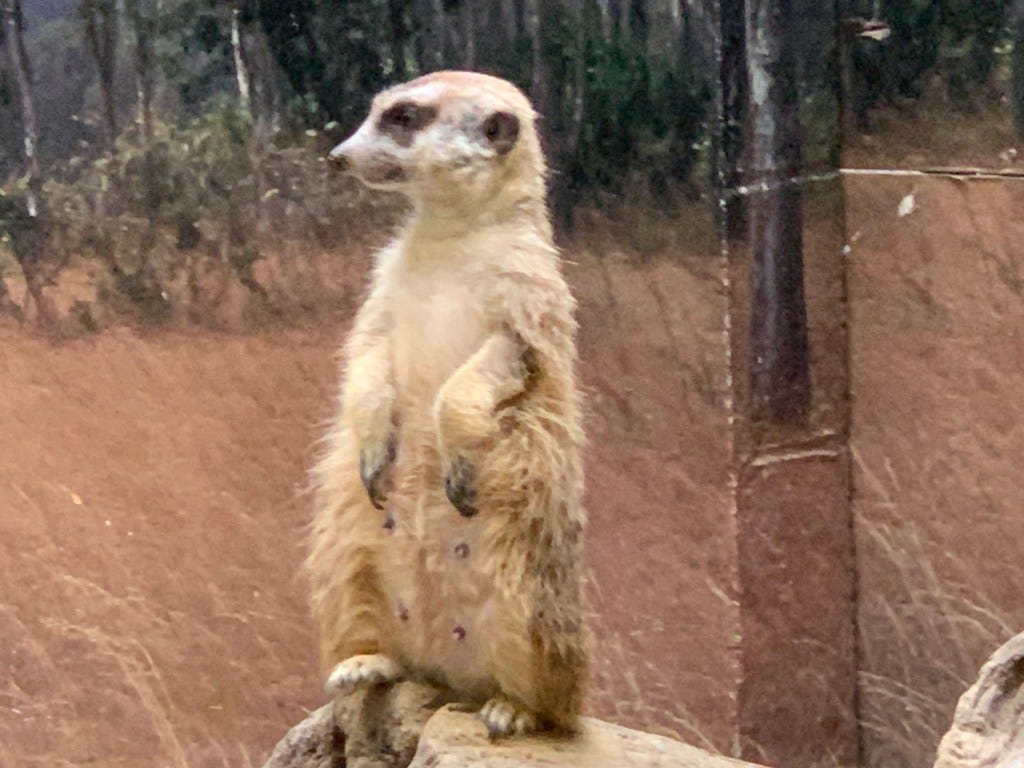
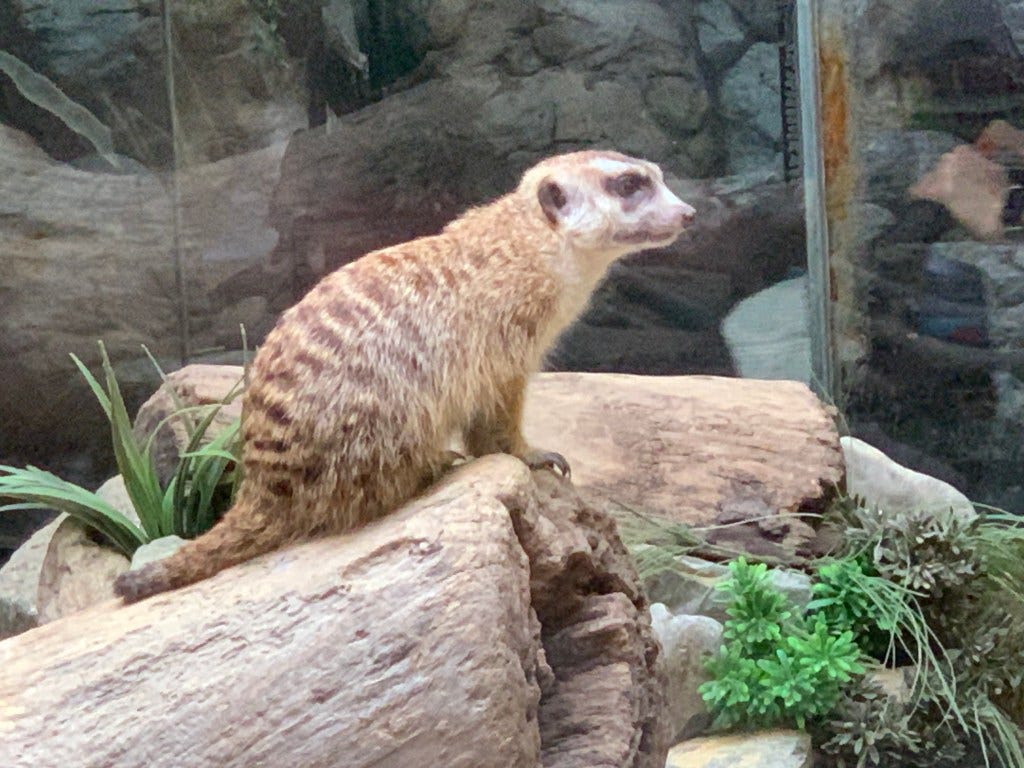
Meerkats are a kind of mongoose, obscure in the West until The Lion King (which I’ve never seen) made them household names. Dwarf mongeese (mongooses?) are different. I bet you know which is which.
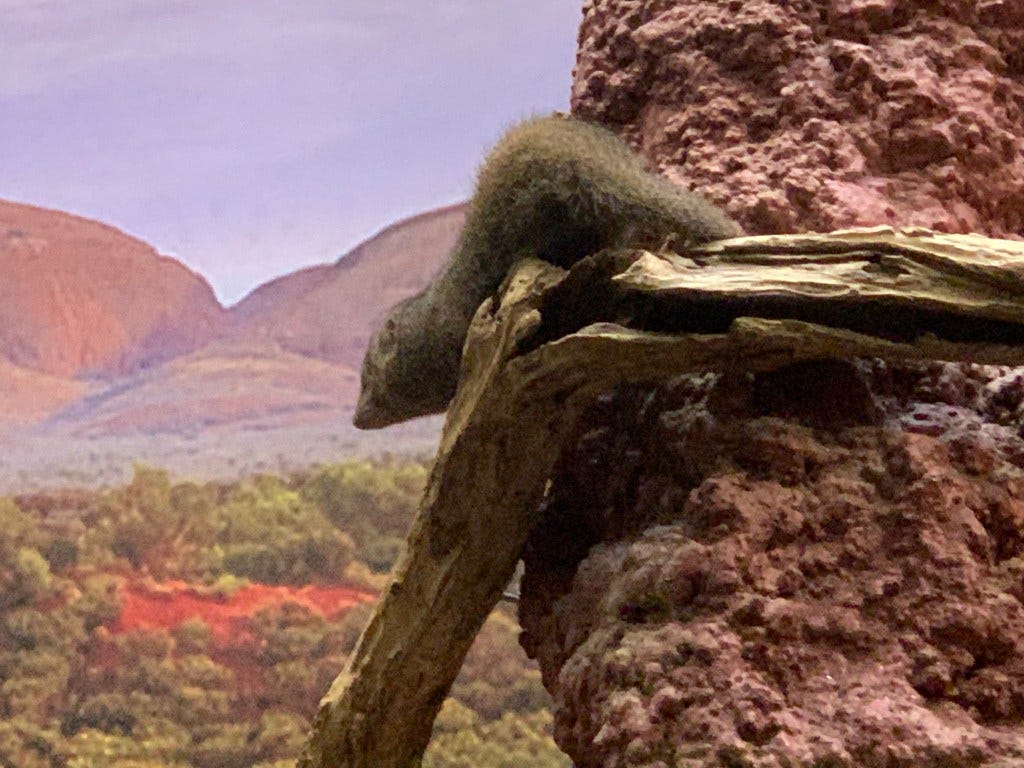
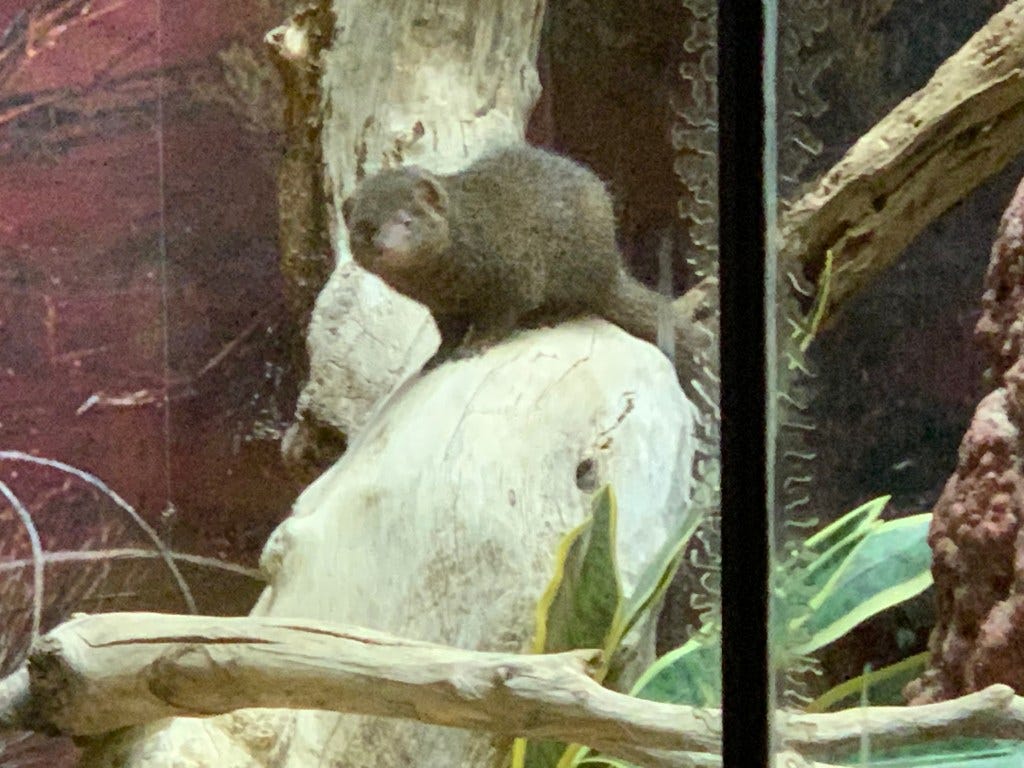
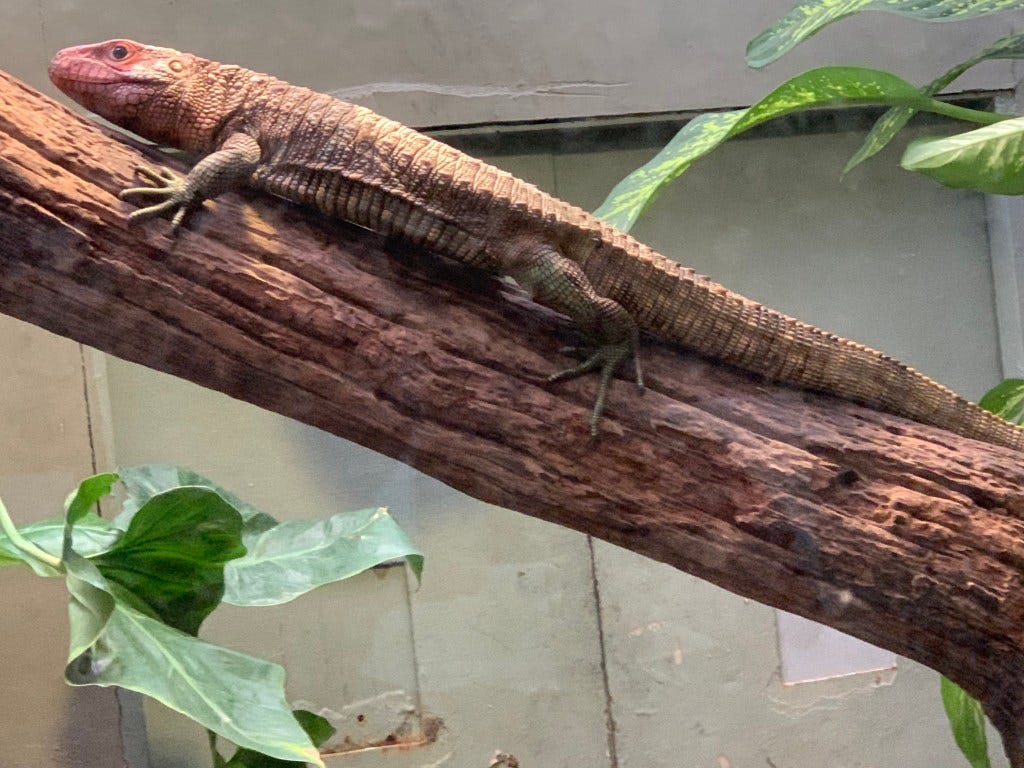
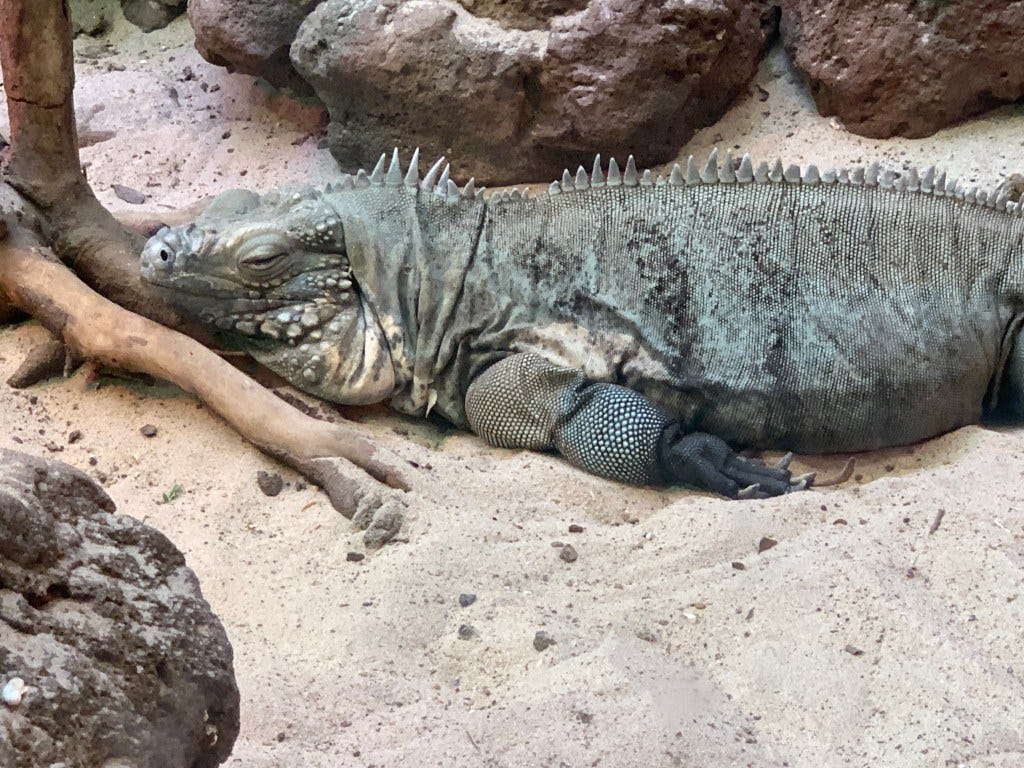
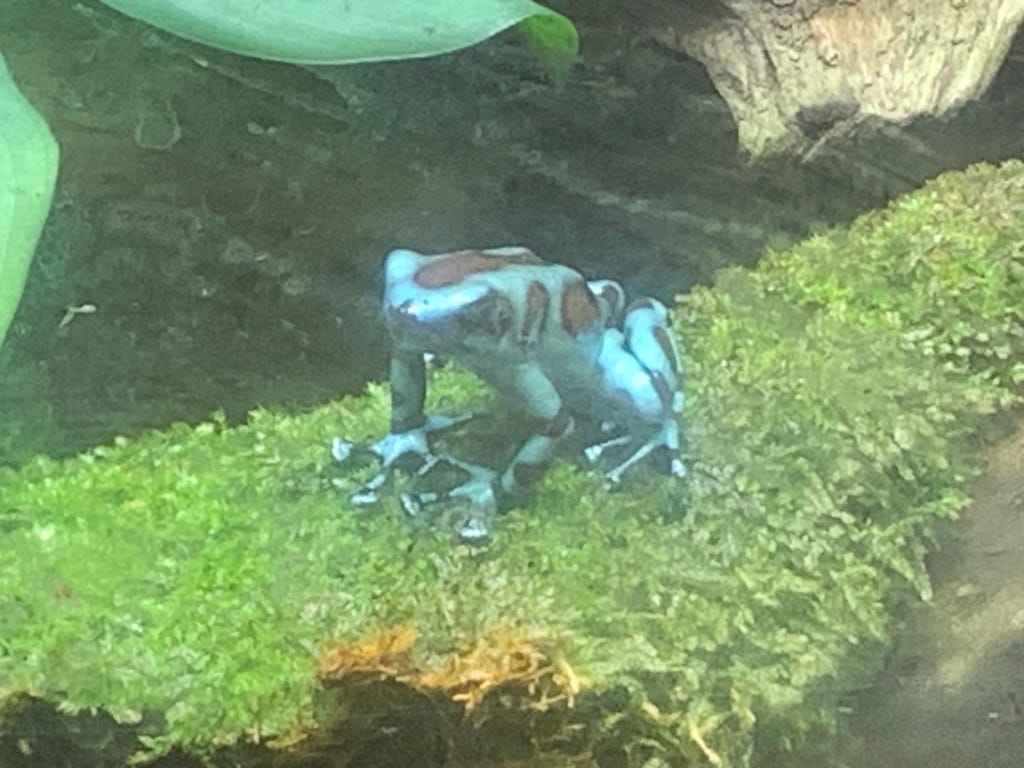
An exhibit called Amazonia seemed to be on some park maps and not others; either way, we never got there. The reptile house, though, was quite impressive — an alligator lizard and a crocodile monitor and a caiman lizard and a Cayman iguana (none of which I’d ever heard of before, except for the former in “Ventura Highway” by America), but trying to find the first two in their respective terraria was kind of like playing Where’s Waldo. The caiman lizard and Cayman (a/k/a blue) iguana were easier; the second of those seemed somewhat…lazy.
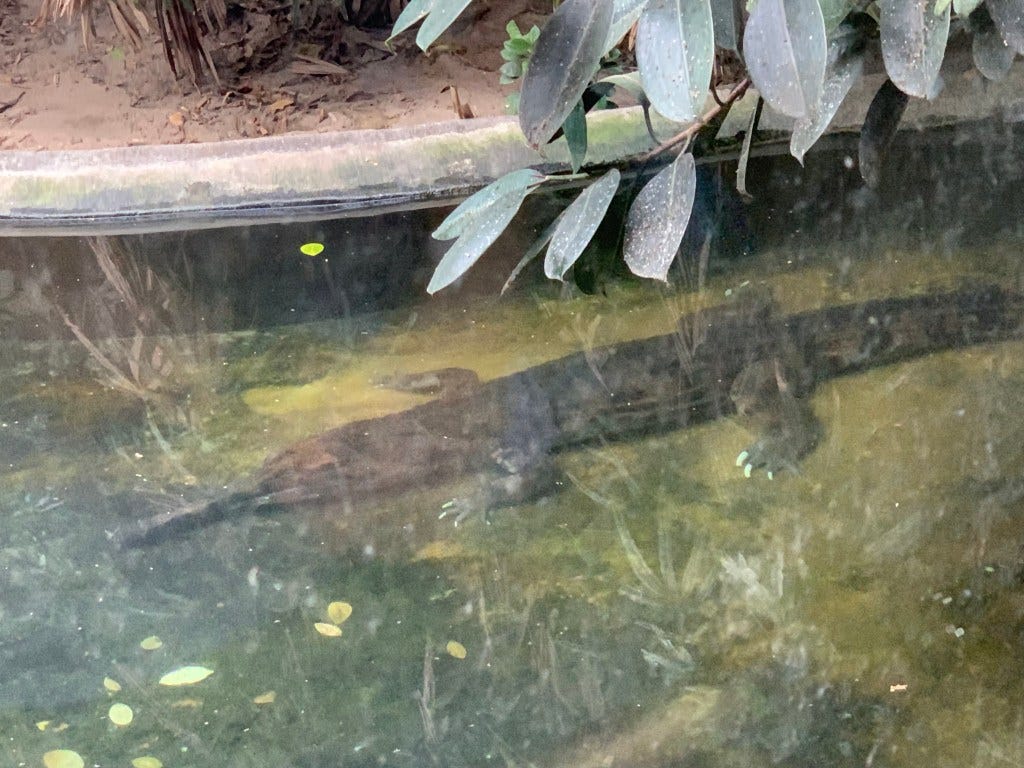
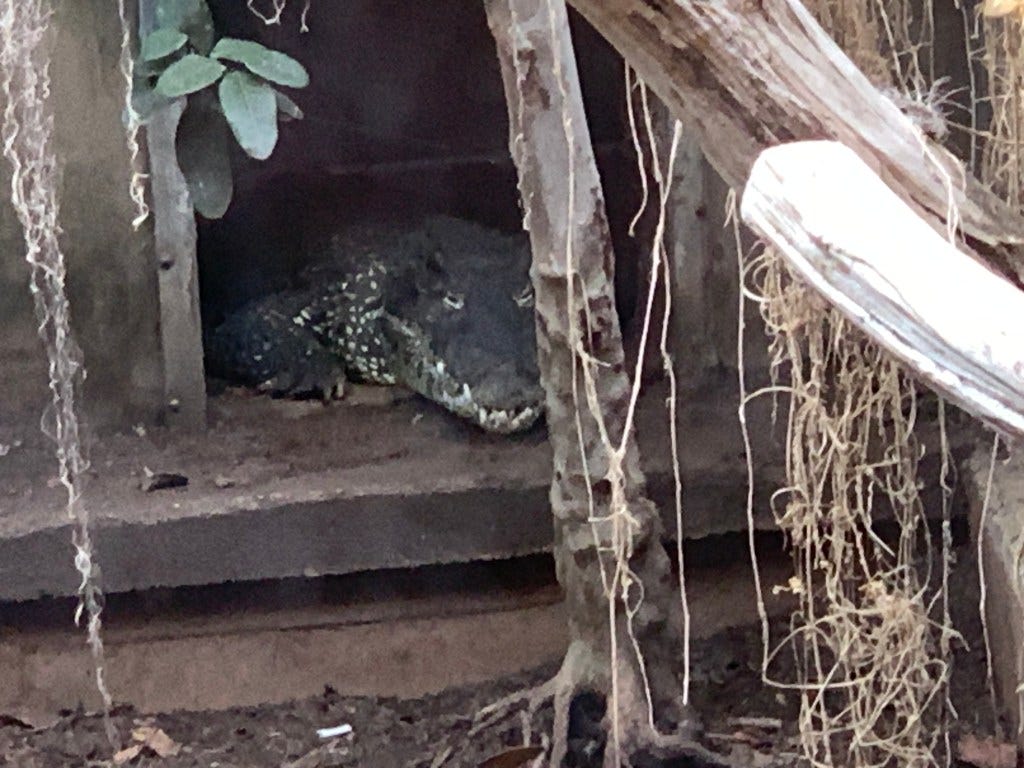
Even better was a narrow-snouted crocodilian I’d somehow never heard of before called the tomistoma; I wondered whether that was a new name for my childhood favorite alligator cousin the gharial or gavial. But Wikipedia tells me that while they share with gharials the family Gavialidae, tomistomas are more accurately referred to as “false gharials (or gavials).” The zoo website says it has a real gavial, too, but maybe it was hiding that day. Sad, since gavials are clearly Crocodilia’s answer to needle-nosed pliers. The tomistoma came pretty close, though. The Cuban crocodile, on. the other hand, just looked mean.
Also,I swear some large black birds — kori bustards (from eastern and southern Africa), maybe, or blue-billed curassows (from northern Columbia)? — were confusingly mislabeled as pigeons on a sign!
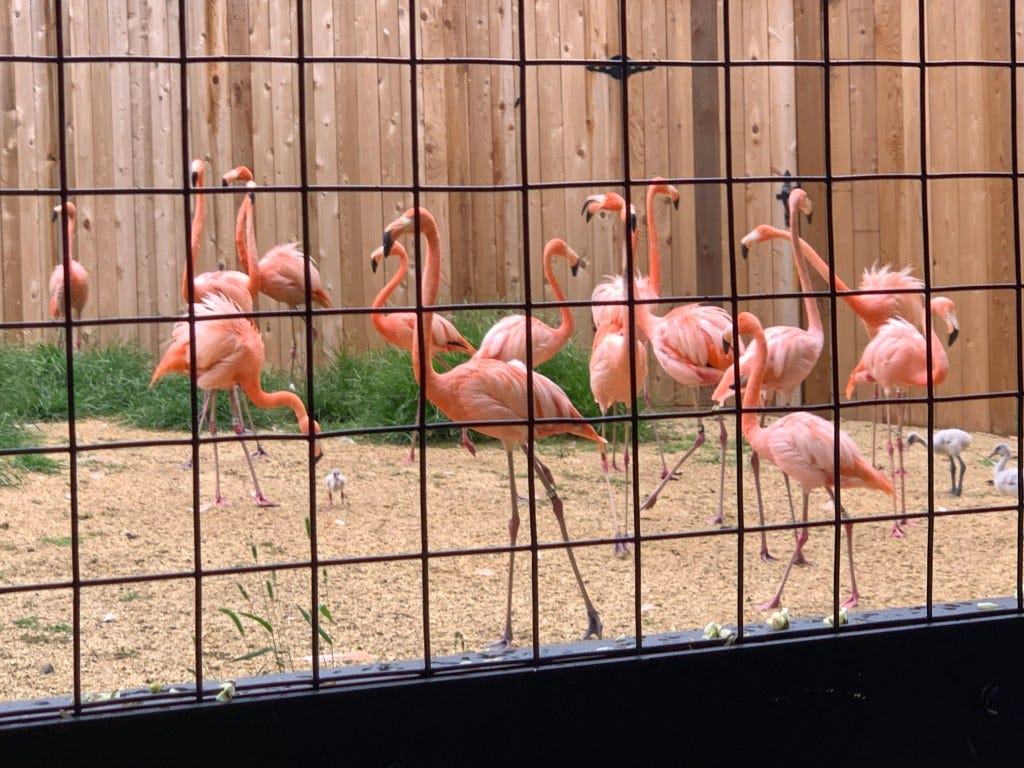
Animals I’d have loved to witness but, despite being listed as residents on the zoo’s web page, I somehow missed if they were in fact in attendance: Andean bear (definitely noted it on maps — must have skipped that turn), binturong, green aracari, hellbender and Japanese giant salamander (and a few smaller salamanders that also look cool), miniature donkey, northern Luzon giant cloud rat, pygmy slow loris, sloth bear. Animals I would have liked to have seen but the website says they’re not on exhibit at this particular time: Ossabow Island hog, Red River hog, short-eared elephant shrew, Von der Decken’s hornbill.
Animals I also would’ve enjoyed observing but the website says they are only at the Smithsonian’s Conservation and Biology Institute in Fort Royal, Virginia, open to the public only on Conservation Discovery Day in October: Scimitar-horned oryx, maned wolf and, especially, North Island brown kiwi (the most mammal of birds, Stephen Jay Gould has convinced me. New Zealand presents them to foreign zoos like China used to hand out pandas, as a gesture of international good will.)
Food choices left quite a bit to be desired — My wife had the hardest time just trying to locate coffee that wasn’t cold-brewed. The Mane Grill, where I paid for five other family member’s lunches, had a few limited burger and chicken sandwich choices, almost all in the $15 range but nothing looked to justify that price, plus I found it annoying that the only mustard was honey flavored and everything came with fries whether you wanted them or not. So I wound up walking back up the hill to get a greasy pizza slice ( pepperoni, only choice besides pointless cheese) from Sbarro’s, which was at least cheaper.
Though as somebody’s one-star (and far from alone with that rating) Mane Grill TripAdvisor review points out, the zoo is “free to get in so I guess you do get what you pay for.” Also, the parking is very close to the entrance — you just walk in! And at least the animals were worth it.
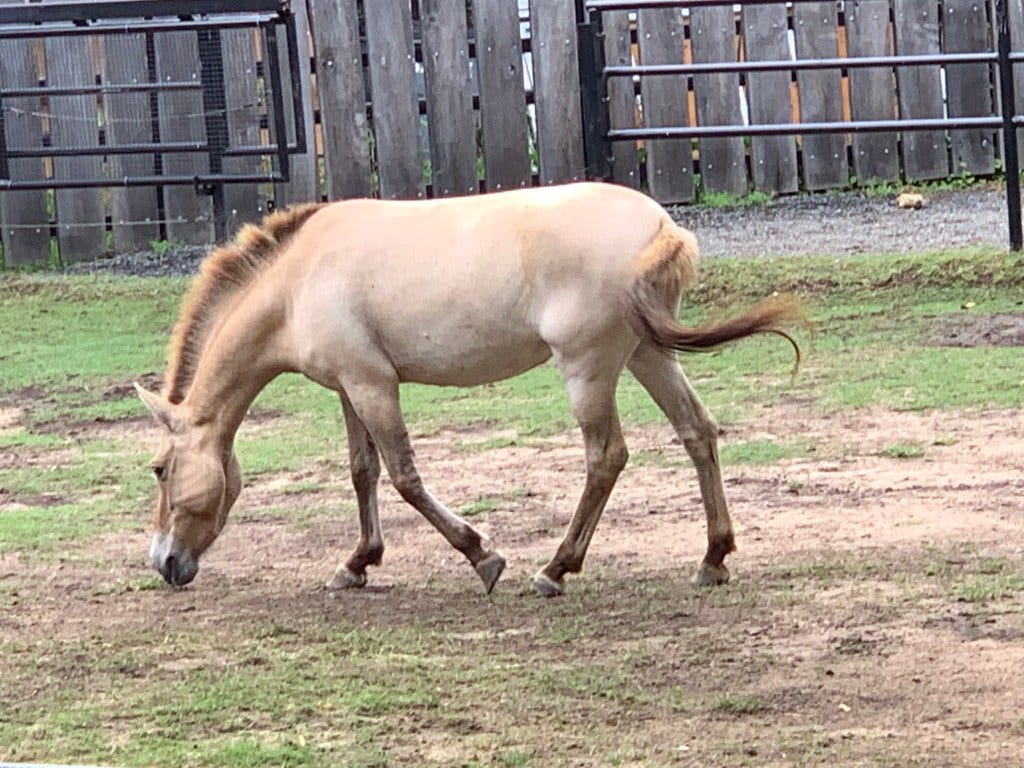
Eliminated for Reasons of Space, 25 July 2022